Jussara palm
EndangeredEuterpe edulis
Its fruit feeds more than 50 bird species. Overharvesting made it endangered across its range.

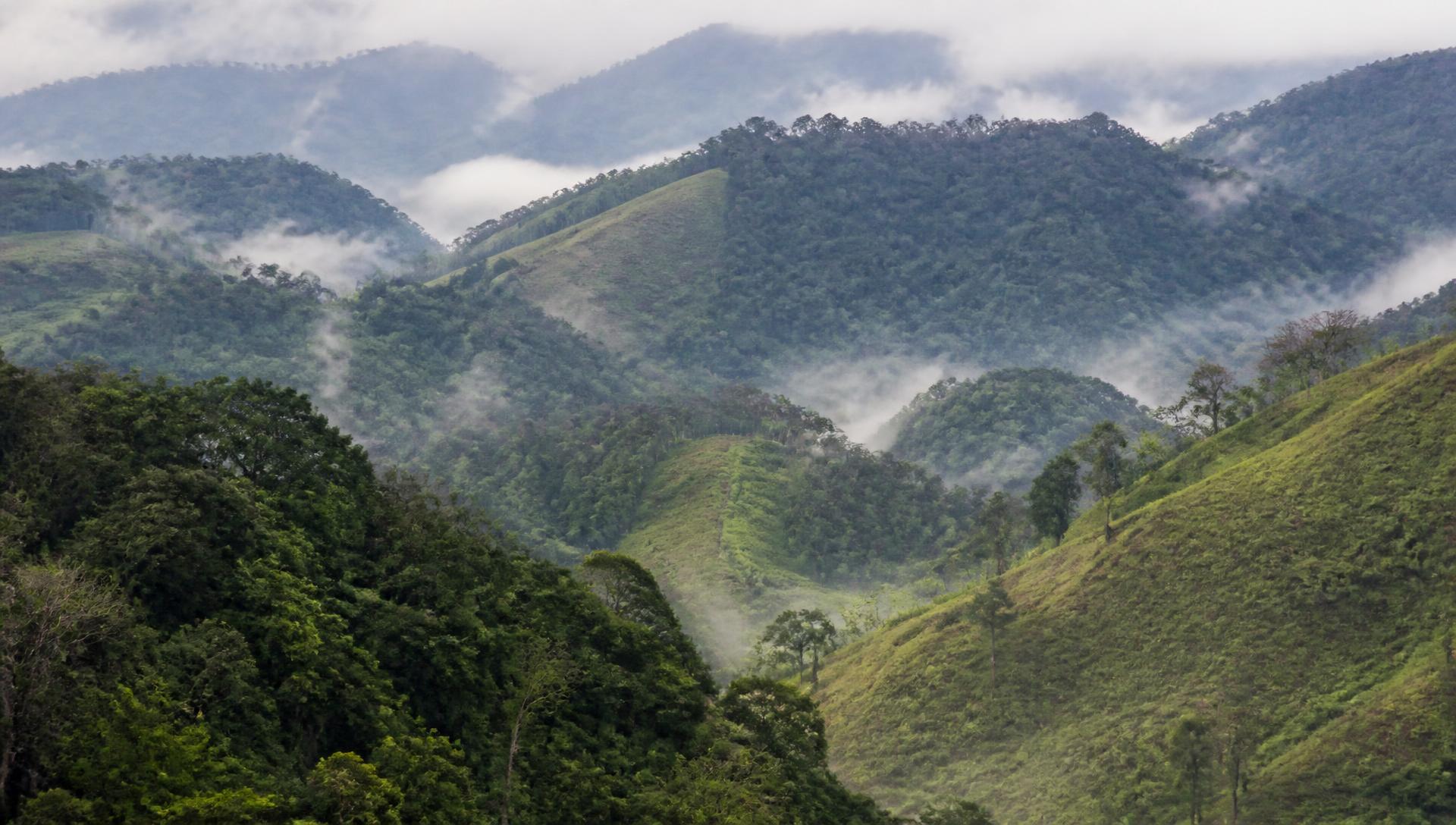
Mata Atlantica, Brazil
One of the most endangered rainforests on earth. Under 12 percent remains.
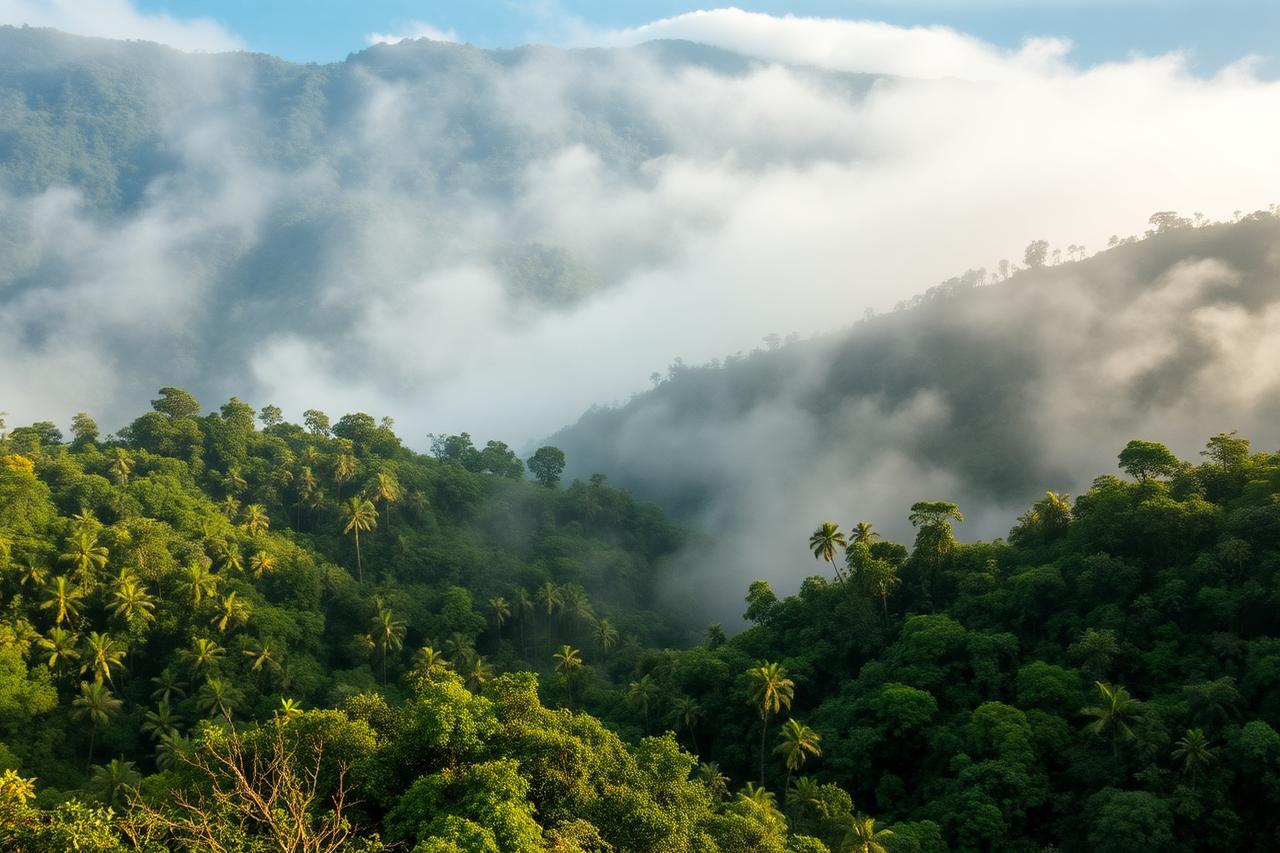
The Mata Atlantica once ran along the whole Brazilian coast. Today less than 12 percent of it is left, in fragments surrounded by cities and farmland. Our members plant the corridors that connect those fragments back together, so species that were cut off can move again.
More than 88 percent of the original forest is gone. What remains is broken into islands too small for many species to survive in.
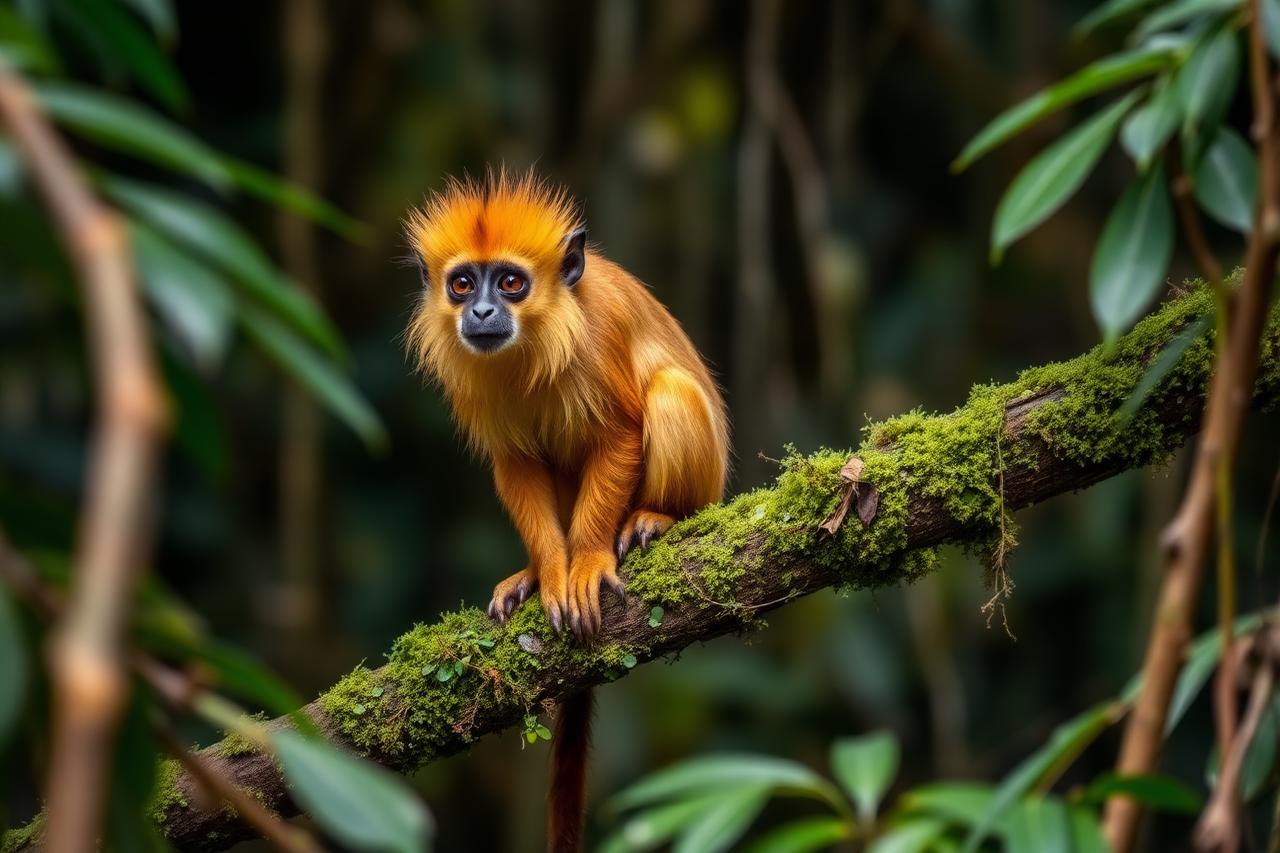
Corridor planting reconnects the fragments. Golden lion tamarins, jaguars and hundreds of bird species regain range, and the watersheds that supply millions of people begin to recover.
Native species
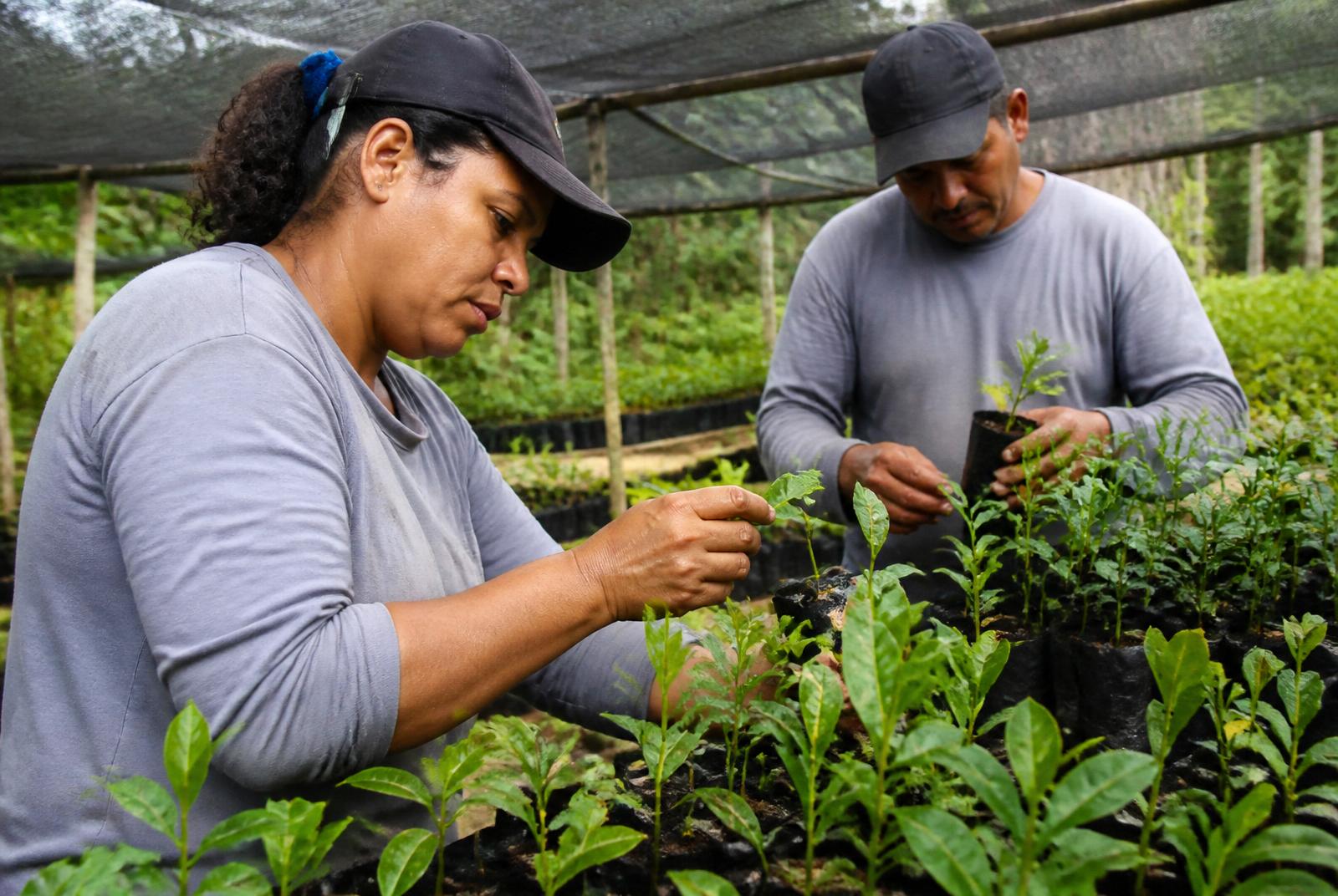
Seeds are collected nearby and raised in local nurseries, so what grows back belongs to this place.
Euterpe edulis
Its fruit feeds more than 50 bird species. Overharvesting made it endangered across its range.
Paubrasilia echinata
The tree that gave Brazil its name, and one of the rarest in the forest it comes from.
Cariniana legalis
The giant of the Atlantic Forest. Some survivors are over a thousand years old.
Cecropia glaziovii
A pioneer that grows fast and shelters the slower species planted beneath it.
Schizolobium parahyba
Reaches for the light quickly, closing the canopy over bare ground in a few seasons.
From the field
28 July 2026
Two golden lion tamarins were recorded moving through a corridor planted four years ago. It is the first confirmed crossing on that stretch.
Ana Beatriz Souza, Monitoring lead, Mata Atlantica
Join the cooperative and your trees are planted in the region our partners are working in. Each cluster of five trees and shrubs gets its own coordinates.