Brazil nut tree
EndangeredBertholletia excelsa
Can live over 500 years and only fruits in intact forest, so a Brazil nut tree is a sign the ecosystem is whole again.

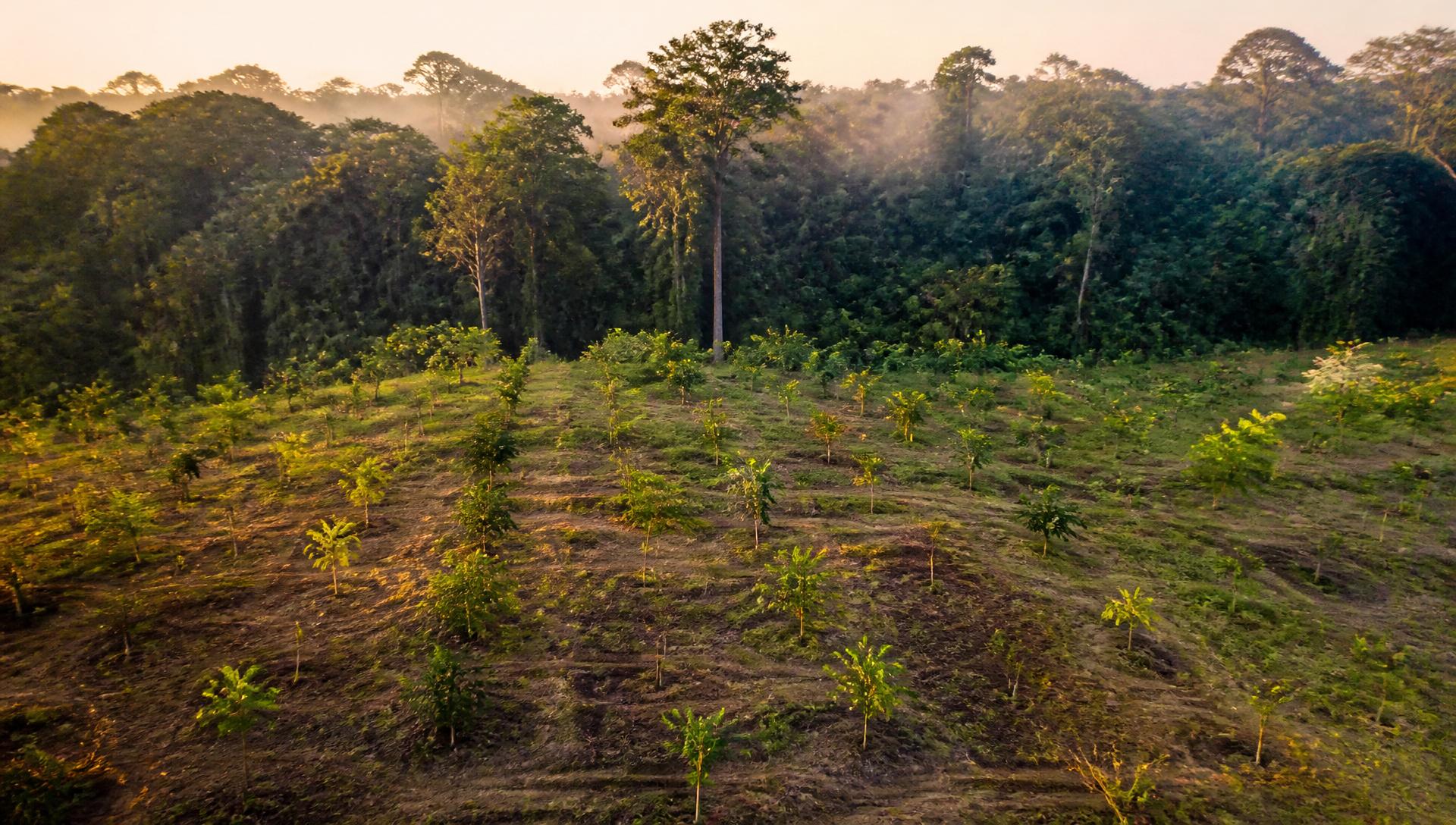
Rioterra, Rondonia, Brazil
The forest that cools the world, replanted tree by tree.
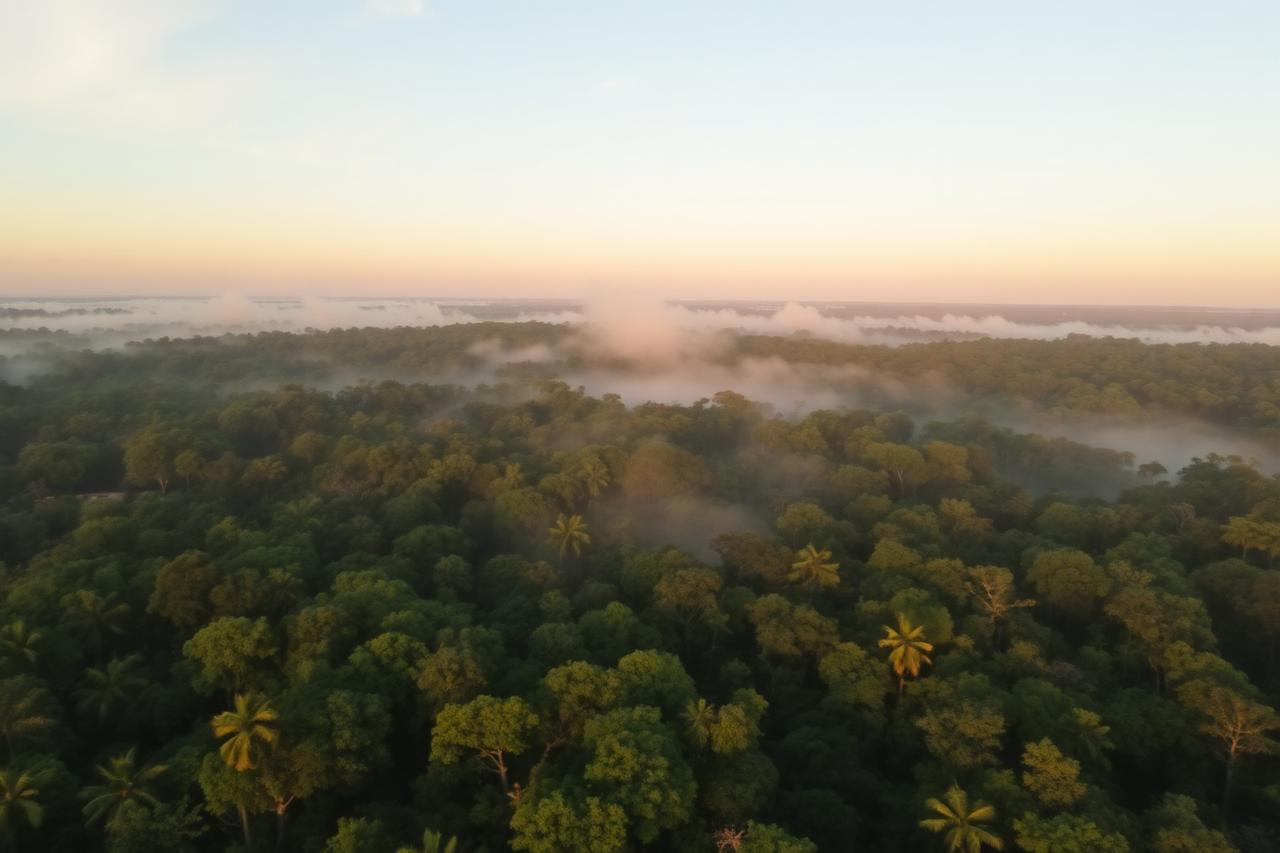
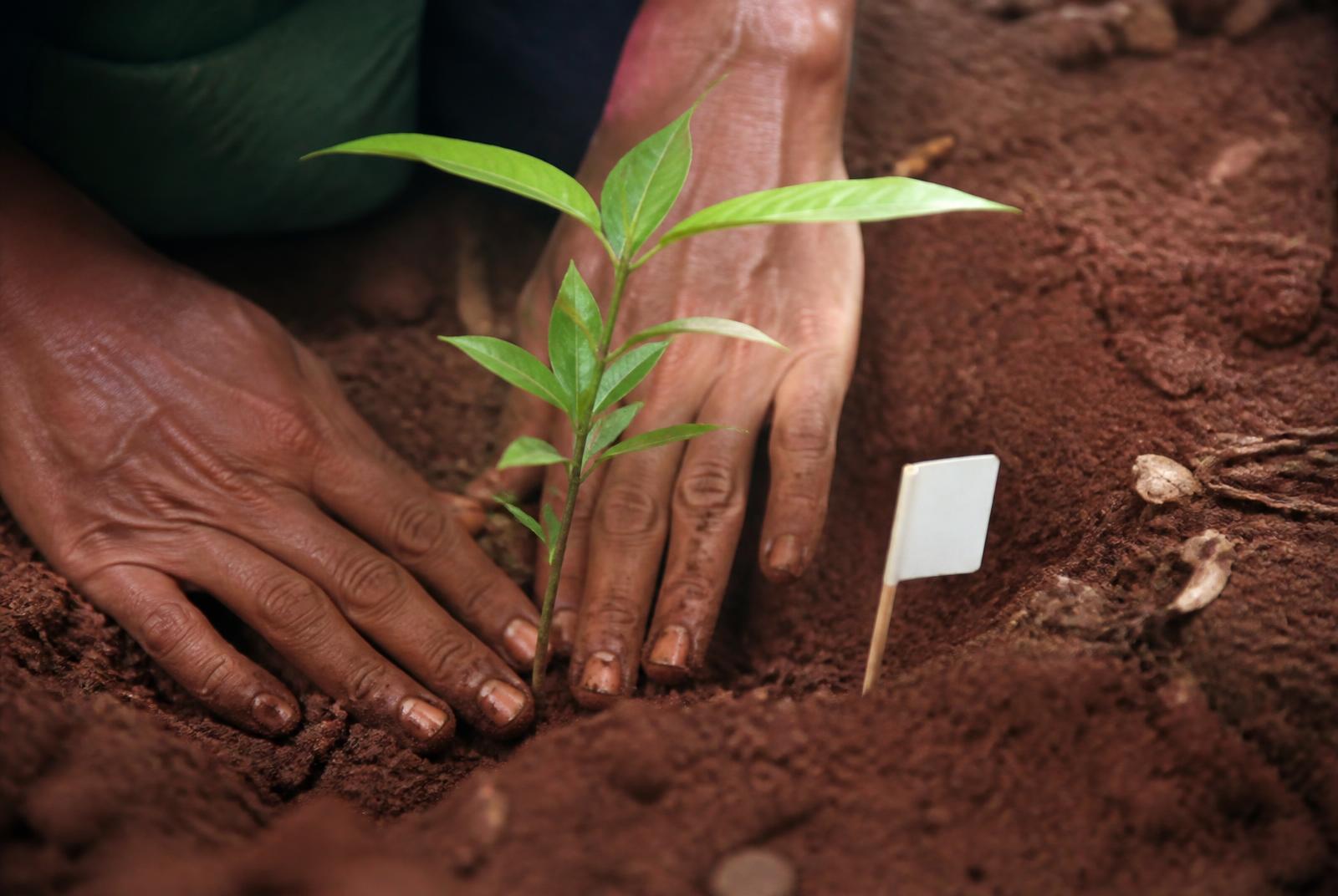
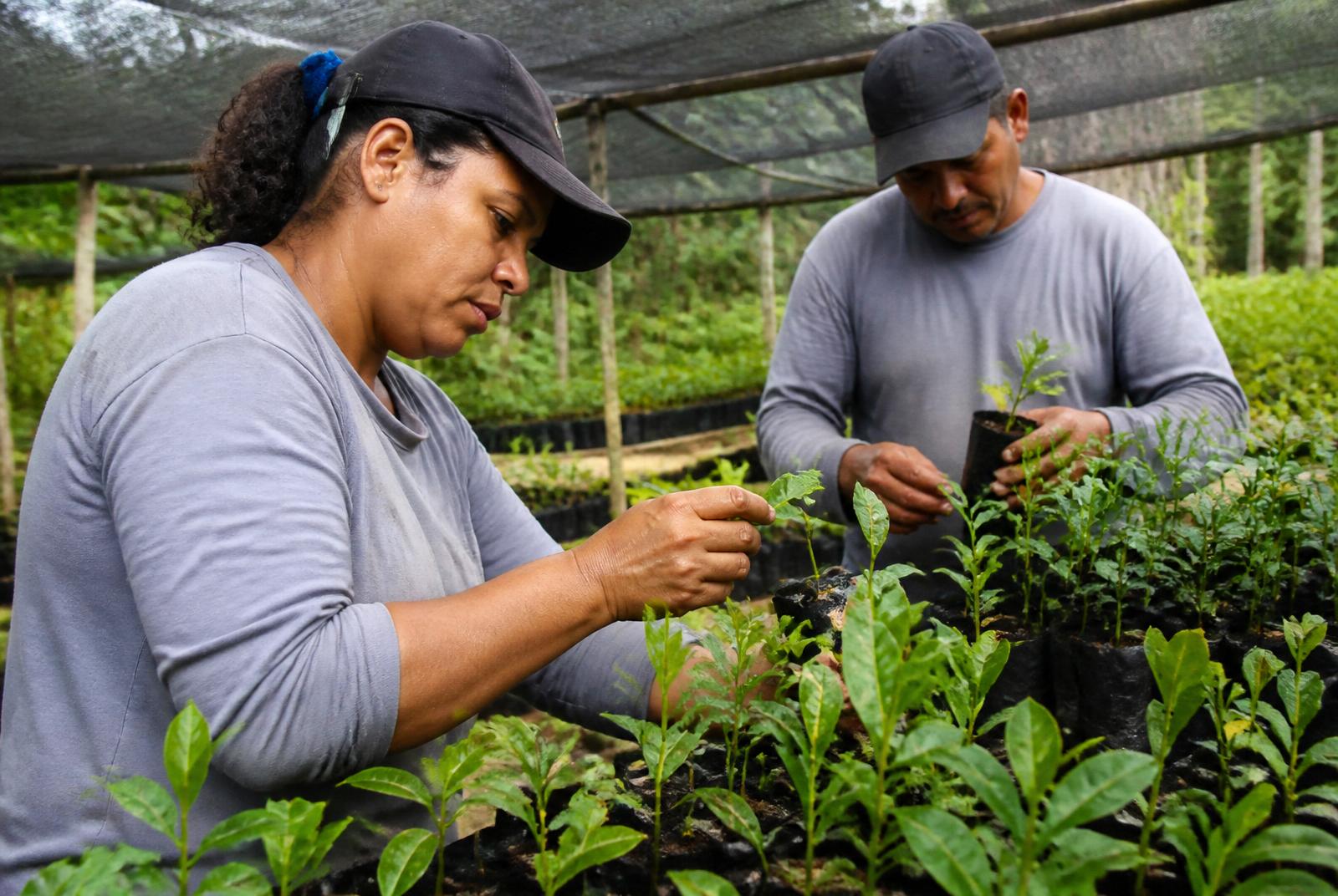
Rondonia sits on the southern edge of the Amazon, where cattle pasture meets standing rainforest. Our members plant here with the Rioterra nursery team, on land that was cleared decades ago and left to harden in the sun. Every tree is placed by hand, mapped, and monitored.
Rondonia has lost more than a third of its forest cover since 1985. What was continuous canopy is now pasture, and the rivers that ran clear now silt over in the dry season.
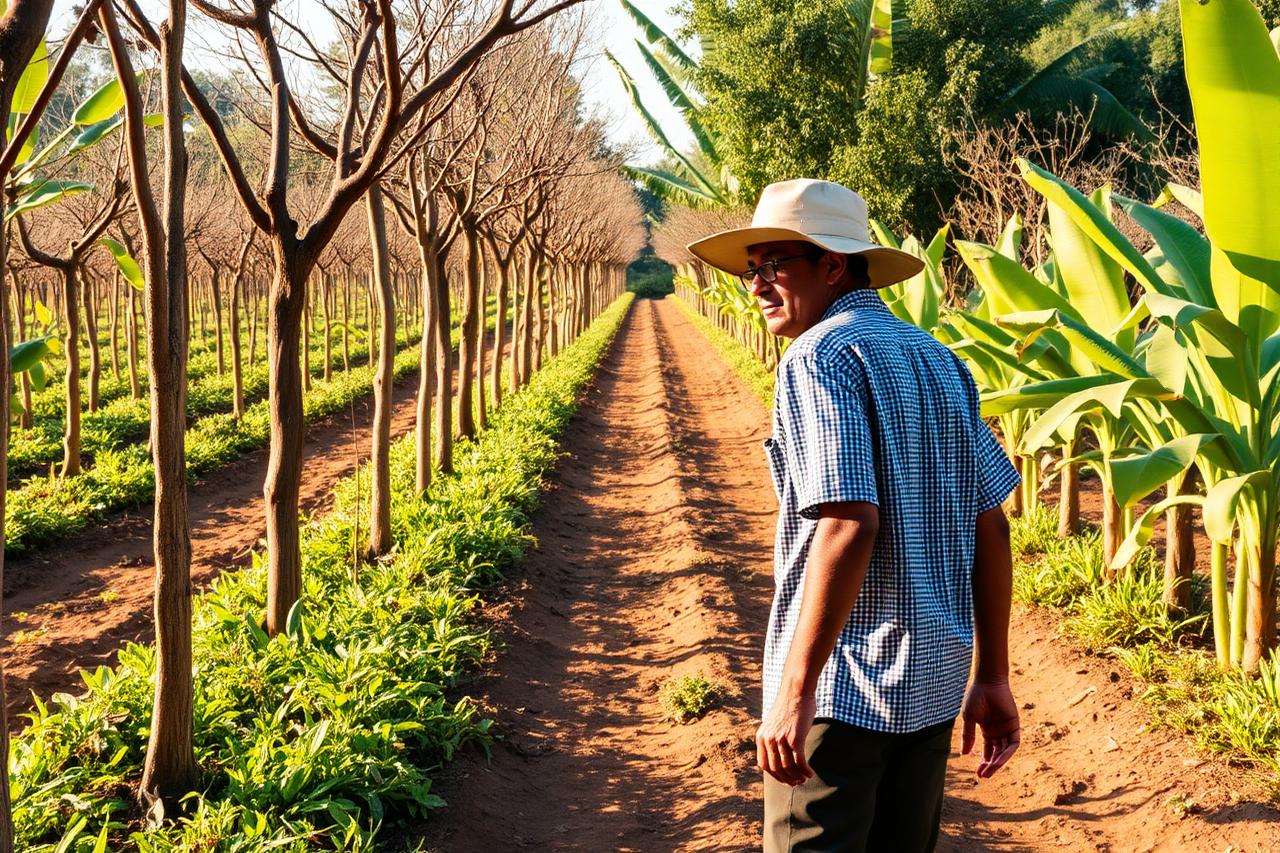
Mixed native planting brings back shade, then soil, then water. Within three years the first fruit arrives, families harvest from the land again, and animals move back through the corridors we reconnect.
Native species
Seeds are collected nearby and raised in local nurseries, so what grows back belongs to this place.
Bertholletia excelsa
Can live over 500 years and only fruits in intact forest, so a Brazil nut tree is a sign the ecosystem is whole again.
Swietenia macrophylla
Logged almost to disappearance across Rondonia. Every one we plant is a return.
Euterpe oleracea
Feeds families through the year and gives the young forest its first economic value.
Dipteryx odorata
Deep-rooted and drought-resistant, it holds the soil together while the canopy closes.
Handroanthus serratifolius
Flowers gold across the whole crown, visible from the air when the forest is coming back.
From the field
28 July 2026
The wet season arrived early. The seedlings planted six weeks ago have taken, and the team has started the second round of mapping so every new tree gets its coordinates.
Marcelo Argenton, Field coordinator, Rioterra
Join the cooperative and your trees are planted in the region our partners are working in. Each cluster of five trees and shrubs gets its own coordinates.